Services

fußpflege, podologie, medizin, fuß, zehe, pedicure, foot, feet, chiropody, pedicure, pedicure, pedicure, pedicure, pedicure, chiropody

Routine Podiatry (Chiropody)

corns and calluses 1558x876a

Corns & Callus Treatment
Corns and calluses develop from pressure and friction, often causing pain when walking. Our podiatry service provides safe, effective removal of hard skin and corns using professional techniques that offer instant relief. We also identify the underlying cause—such as footwear, gait issues, or pressure points—to help prevent them from returning. If you’re looking for expert corn or callus treatment, we provide gentle, long‑lasting results.
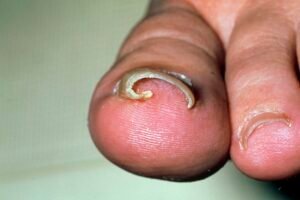
 

s 0918 ingrown toenail m3500218.width 1125

Ingrowing Toenail Treatment

Ingrown toenails can be extremely painful and may become infected if left untreated. We offer professional, gentle treatment to remove the ingrown section of the nail and reduce inflammation. Whether caused by nail shape, trauma, or incorrect cutting, we provide tailored care and advice to prevent recurrence. For persistent or recurring cases, we can discuss long‑term management options. If you need fast relief from an ingrown toenail, we are here to help.
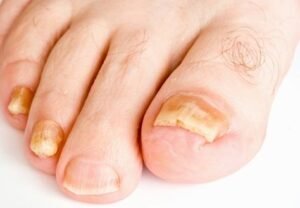
yucky nail

Thickened & Hard‑to‑Cut Nails
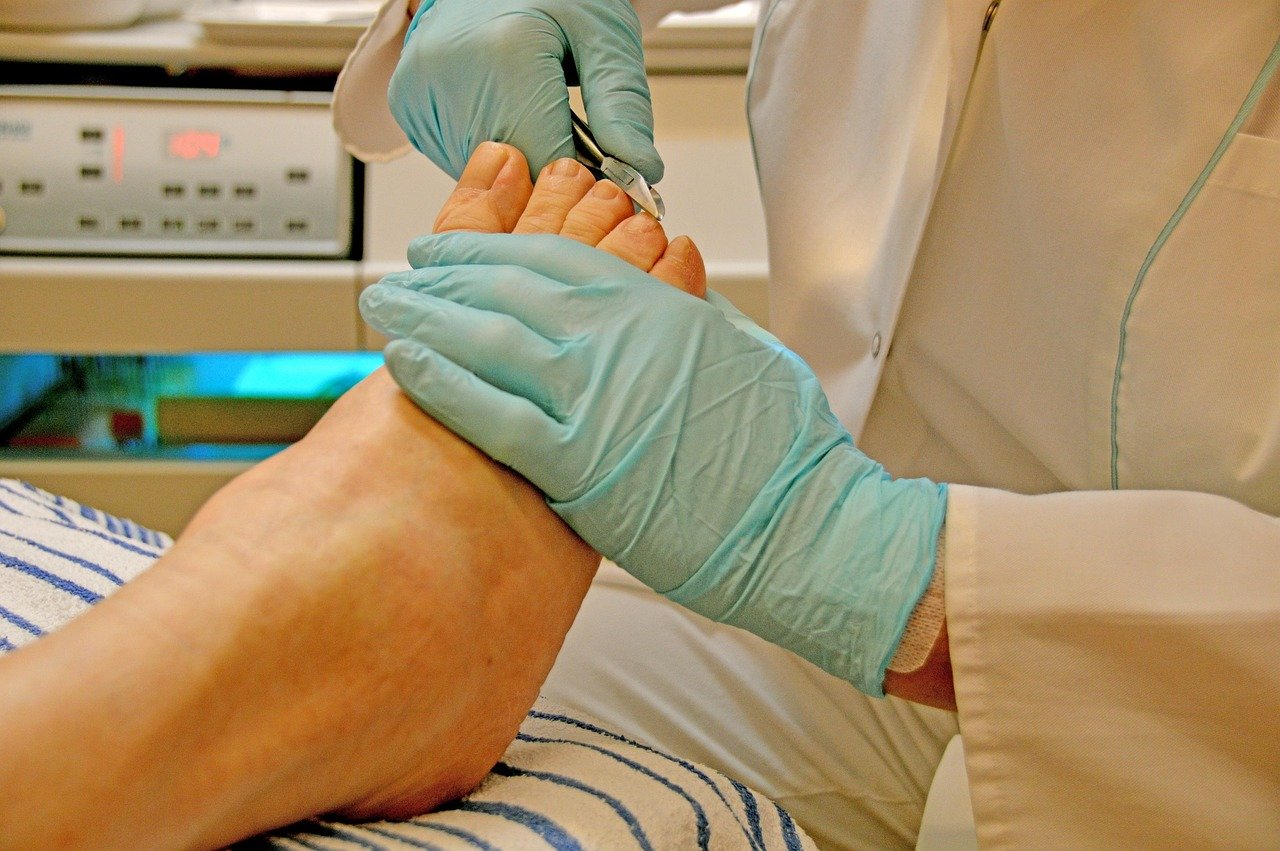
Thickened, curved, or difficult‑to‑manage nails can be uncomfortable and challenging to trim at home. We provide safe nail reduction and maintenance using specialist podiatry tools to restore comfort and prevent future problems. This service is ideal for older adults, athletes, and anyone experiencing nail changes due to trauma, fungal infection, or long‑term pressure.
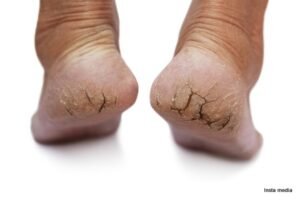
dry cracked heelsCracked Heels & Dry Skin Care
Cracked heels and dry skin can be painful and may lead to infection if not treated properly. Our routine podiatry service includes professional debridement of hard skin, smoothing of rough areas, and advice on long‑term skin care. We help restore soft, healthy heels and reduce the risk of splits reopening. If cracked heels are causing discomfort, our treatment provides immediate improvement.
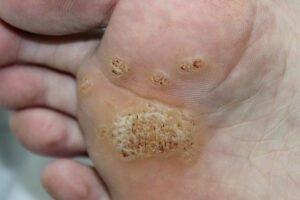
verrucae and warts

Verrucae Treatment (Plantar Warts)

Verrucae (plantar warts) can be stubborn and painful, especially when located on weight‑bearing areas of the foot. We offer evidence‑based verruca treatments tailored to your skin type, age, and activity level. Options may include debridement, topical therapies, and pressure‑relief strategies. If you’re struggling with a persistent verruca, our podiatry clinic provides effective, professional care.
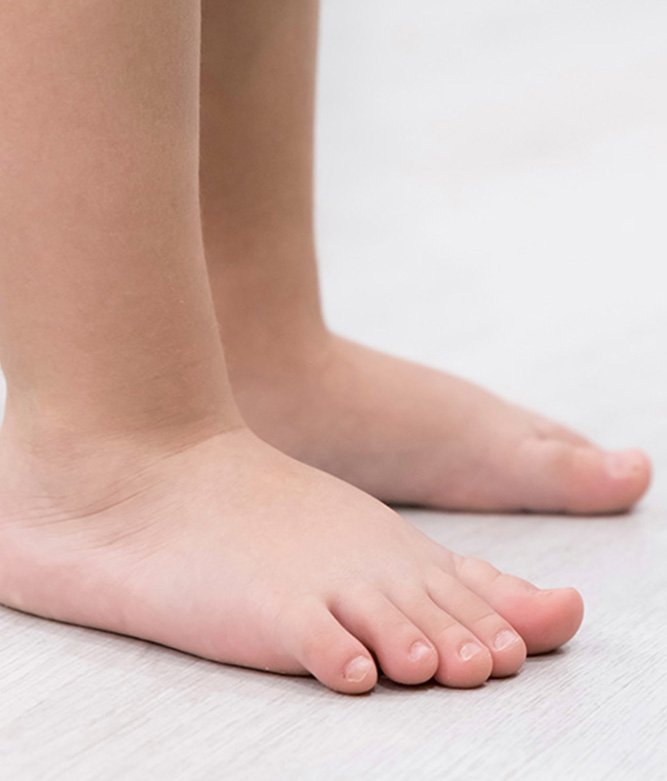

flat feet kids

Childrens Gait Assessment

Our Children’s Foot Assessment service provides expert podiatry care for babies, toddlers, children, and teenagers. Early assessment is essential for identifying foot, ankle, and walking issues before they become long‑term problems. 

What We Assess

  • Flat feet / fallen arches
  • In‑toeing and out‑toeing
  • Toe walking
  • Foot, ankle, or leg pain
  • Growing pains
  • Balance or coordination concerns
  • Delayed walking milestones
  • Sports‑related injuries in children
  • Footwear and school shoe advice

Why Children Benefit From Podiatry

Children’s feet grow and change rapidly. Issues such as flat feet, unusual walking patterns, or recurring pain can affect mobility, confidence, and participation in sport. Early podiatry assessment helps identify the cause of symptoms and provides clear guidance on treatment, exercises, footwear, and activity modification when needed.

What to Expect During the Appointment

A Children’s Foot Assessment includes:

  • A full examination of foot and leg structure
  • Gait and movement analysis
  • Assessment of muscle strength and flexibility
  • Review of footwear and activity levels
  • A personalised treatment plan tailored to your child’s needs

Our goal is to support healthy development, reduce pain, and keep children active and confident as they grow.

Group of runners participating in a city marathon during daylight.

Sports Injury Care

Our Sports Injury Care service provides expert assessment and treatment for foot, ankle, and lower‑limb injuries in active individuals of all ages. Whether you’re a recreational runner, gym‑goer, team‑sport athlete, or simply trying to stay active, we offer evidence‑based podiatry care designed to get you moving again safely and efficiently.

Common Sports Injuries We Treat

  • Plantar fasciitis / heel pain
  • Achilles tendon pain
  • Shin splints (medial tibial stress syndrome)
  • Stress‑related foot and leg pain
  • Ankle sprains and instability
  • Forefoot pain and metatarsalgia
  • Running‑related injuries
  • Tendon overload and muscle strain
  • Joint pain linked to training load or technique

What to Expect During Your Assessment

A Sports Injury Assessment includes:

  • Detailed injury history and training review
  • Biomechanical and gait analysis
  • Footwear assessment (including running shoes)
  • Strength, flexibility, and movement testing
  • Identification of contributing factors such as load, technique, or foot mechanics

You’ll receive a personalised treatment plan that may include hands‑on therapy, load management advice, exercise rehabilitation, orthotic recommendations, and running technique guidance.


Why Choose a Podiatrist for Sports Injuries?

Podiatrists are specialists in foot and lower‑limb mechanics, making us uniquely positioned to diagnose and treat sports injuries linked to movement patterns, footwear, and training load. Early intervention helps reduce pain, prevent recurrence, and support long‑term performance.

diabetic

Diabetic Foot Assessment

Our Diabetic Foot Assessment provides a comprehensive, evidence‑based examination designed to protect the long‑term health of your feet. Diabetes can affect circulation, nerve function, skin integrity, and healing capacity, making regular podiatry checks essential. 


Why Diabetic Foot Assessments Matter:

Diabetes can increase the risk of:

  • Reduced sensation (peripheral neuropathy)
  • Poor circulation
  • Hard skin and pressure points
  • Foot ulcers
  • Delayed healing
  • Infection

Early detection is key. Regular podiatry assessments help identify changes before they become painful or difficult to treat, reducing the risk of serious complications.


What’s Included in a Diabetic Foot Assessment

Your appointment includes a full, detailed examination of:

  • Circulation: Clinical vascular testing to assess blood flow
  • Nerve Function: Sensation, protective feeling, and vibration testing
  • Skin & Nails: Identifying callus, corns, cracked heels, fungal infections, or nail issues
  • Foot Structure & Pressure Points: Spotting areas at risk of breakdown or ulceration
  • Footwear Review: Ensuring your shoes support safe, healthy foot function

ABPI Testing (If Clinically Indicated)

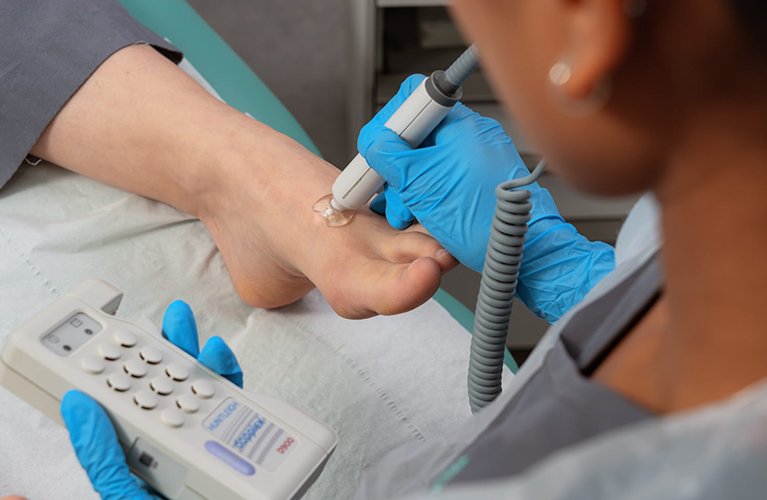
If there are concerns about reduced circulation or peripheral arterial disease, an Ankle Brachial Pressure Index (ABPI) assessment can also be performed. This non‑invasive test compares blood pressure in the ankle and arm to evaluate arterial blood flow. ABPI testing provides valuable information about vascular health and helps guide safe treatment planning for people living with diabetes.


Who Should Have a Diabetic Foot Assessment

This service is recommended for anyone living with:

  • Type 1 diabetes
  • Type 2 diabetes
  • Gestational diabetes
  • Reduced sensation or circulation
  • A history of foot ulcers or infections

Annual diabetic foot checks are essential, and higher‑risk individuals may require more frequent monitoring.


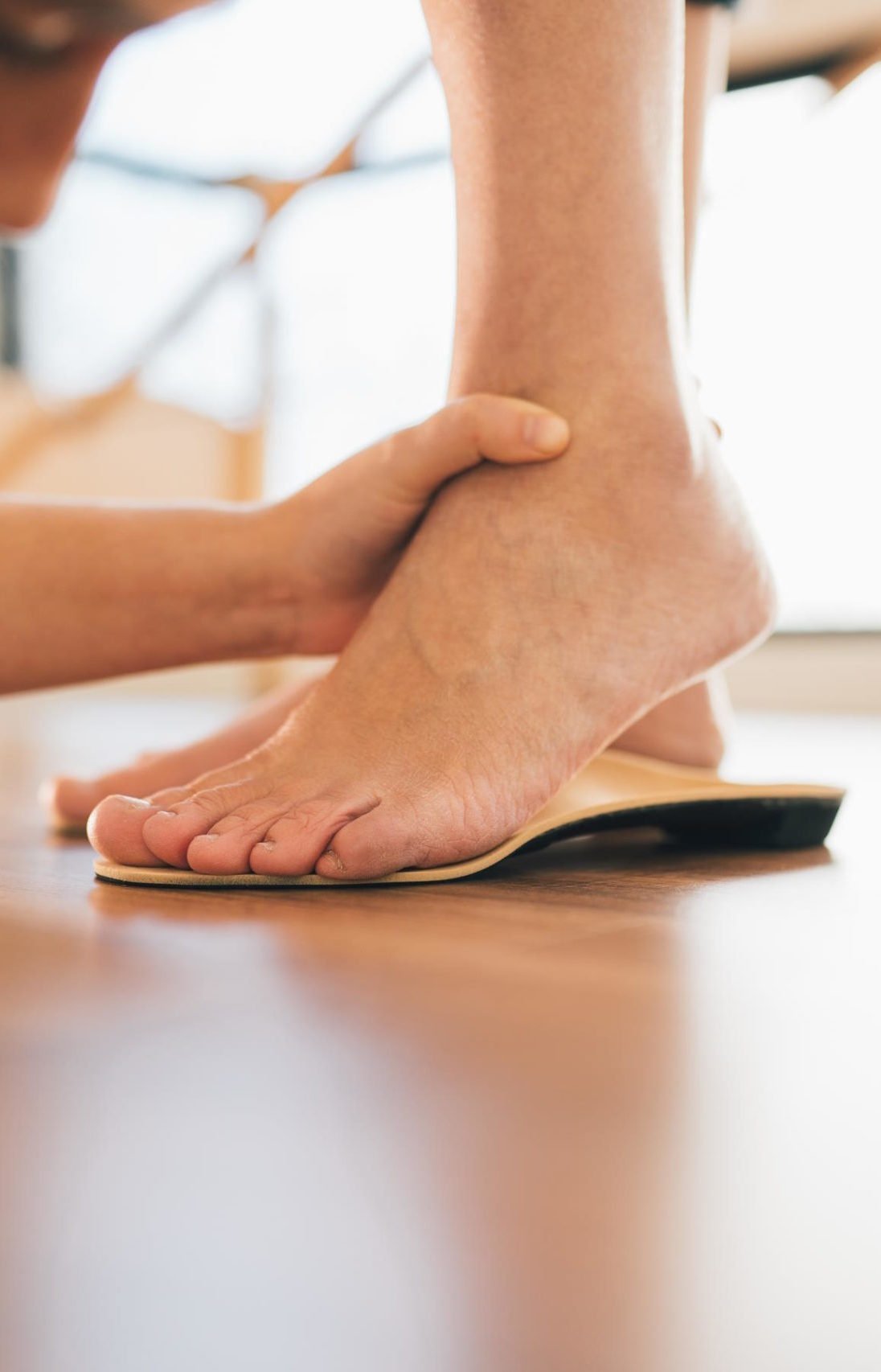
chiropodist checking the custom foot insole of a patient on the floor in the medical center

Custom Foot Orthotic Prescription

We provide tailored, medical‑grade insoles designed to improve foot function, reduce pain, and support healthy movement. Using a detailed biomechanical assessment and gait analysis, we create orthotics that address the underlying cause of your symptoms—not just the surface discomfort.

Whether you’re dealing with foot pain, running injuries, flat feet, or ongoing discomfort when walking, custom orthotics can offer long‑lasting relief and improved performance where clinically indicated.


What Custom Orthotics Can Help With

Custom orthotics are commonly prescribed for:

  • Plantar fasciitis and heel pain
  • Flat feet or high arches
  • Achilles tendon pain
  • Metatarsalgia and forefoot pain
  • Knee, hip, or lower‑back discomfort linked to foot mechanics
  • Arthritis‑related foot pain
  • Recurrent sports injuries
  • Overpronation or supination
  • General foot fatigue or pressure points

Orthotics are designed to support your unique foot structure, improve alignment, and reduce strain during daily activities or sport.


What to Expect During Your Assessment

Your orthotic assessment includes:

  • A full biomechanical examination
  • Gait and movement analysis
  • Footwear review
  • Assessment of muscle strength, flexibility, and loading patterns
  • Identification of the mechanical cause of your symptoms

Types of Orthotics Available

We offer a range of high‑quality orthotic options, including:

  • Custom‑made orthotics for precise correction and long‑term support
  • Sports orthotics designed for running, gym training, and high‑impact activity
  • Slimline orthotics for dress shoes or narrow footwear
  • Cushioned orthotics for comfort and pressure relief

Your podiatrist will recommend the most suitable option based on your lifestyle, activity level, and clinical findings.


Benefits of Custom Orthotics

Unlike over‑the‑counter insoles, custom orthotics are designed specifically for your feet and your movement patterns. They provide targeted support, improve alignment, and help prevent recurring injuries. 

nail surgey

Partial Nail Avulsion

Partial Nail Avulsion (PNA) is a highly effective, minimally invasive procedure used to treat recurring or severe ingrown toenails. When conservative care is no longer enough, PNA surgery provides long‑term relief by removing the problematic edge of the nail and preventing it from growing back into the skin. This procedure is performed under local anaesthetic and offers fast recovery with excellent success rates.


When PNA Surgery Is Recommended

PNA is ideal for patients experiencing:

  • Recurrent ingrown toenails
  • Persistent pain or swelling
  • Infection caused by nail penetration
  • Curved or involuted nails
  • Nail trauma leading to abnormal growth

If you’ve had repeated ingrown toenail problems, PNA offers a permanent solution that reduces the risk of future episodes.


What Happens During the Procedure

A Partial Nail Avulsion includes:

  • Local anaesthetic to fully numb the toe
  • Removal of the offending section of nail
  • Application of a chemical (phenol) to prevent regrowth of the removed nail edge
  • Dressing and aftercare instructions to support healing

The procedure typically takes around 20–30 minutes, and most patients return to normal footwear and activity within a few days.


Benefits of Partial Nail Avulsion

  • Long‑term relief from ingrown toenails
  • Minimally invasive with minimal downtime
  • High success rate
  • Reduced risk of infection and recurrence
  • Performed safely in a clinical setting by a qualified podiatrist

Aftercare & Recovery

Following the procedure, you’ll receive clear guidance on dressing changes, hygiene, and activity levels. Most people experience only mild discomfort afterward and heal fully within a few weeks. Follow‑up appointments ensure the toe is healing as expected.


A Permanent Solution for Ingrown Toenails

With over 15 years of clinical experience, we provide safe, effective nail surgery tailored to your needs. If ingrown toenails are affecting your comfort, mobility, or daily life, Partial Nail Avulsion offers a reliable and lasting solution.

insurance logos 2

Need to ask the Podiatrist before booking?

PHONE

(066)-97-61955

E-MAIL

info@kerrypodiatry.ie

LOCATION

Upper Bridge Street, Killorglin, Co Kerry V93E370

OPENING HOURS

MON-WEDS: 9AM-6PM THURS: 12PM-8PM FRI: 9AM-4PM
9AM-1PM SATURDAY

Our Podiatrist has over 15 years of clinical experience treating chronic foot/lower limb pain.

If required, we can organise a direct phone chat with the Podiatrist to briefly discuss your foot care needs. 

The first step is sometimes the hardest – reaching out for help!